
Get to Know KYSFMA member J.R. Williams - Kentucky Country Day
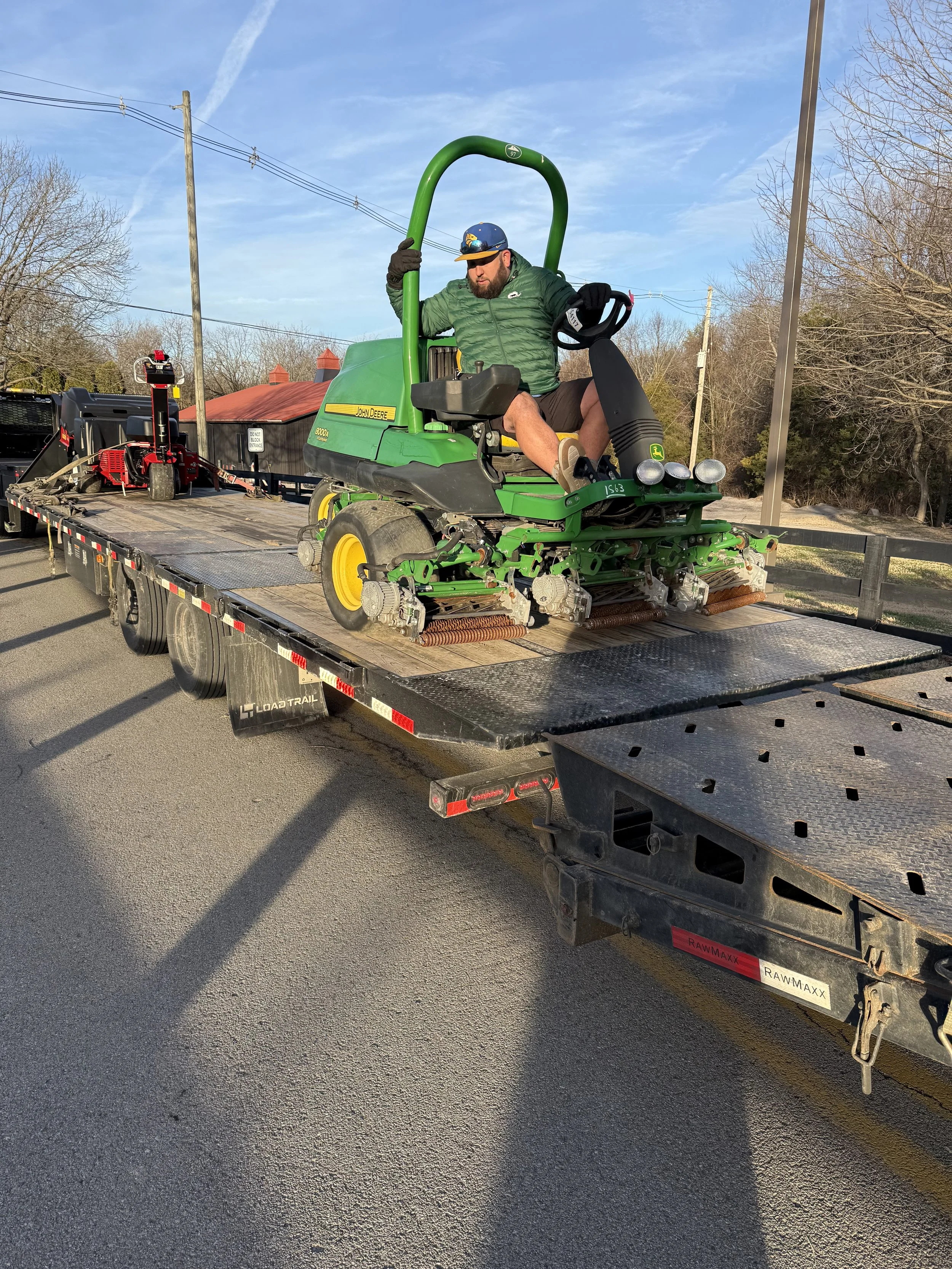

How did you get into field maintenance?
After graduating from college, I was uncertain about the direction I wanted to take in my career, which led me to accept a position at a golf course. Through that experience, I discovered a strong passion for working outdoors and for turfgrass management. That initial opportunity became the foundation for my career, allowing me to develop valuable skills and a deep appreciation for the profession. Since then, I have been fortunate to work for my alma mater, gain experience in professional soccer, and ultimately advance into my current role as a Head Groundskeeper, where I continue to grow professionally and take pride in maintaining high-quality playing surfaces.
What’s a typical day out here look like for you?
Workload here varies throughout the week; however, on a typical day, responsibilities include mowing and maintaining the fields, as well as painting field markings in preparation for that day’s practices. These tasks help ensure that all facilities are properly maintained, safe, and ready for scheduled athletic activities.
What part of the job do you enjoy the most?
One of the most rewarding aspects of this profession is the opportunity to work outdoors while engaging in a wide variety of tasks. Each day presents new challenges and responsibilities, which creates a dynamic work environment and prevents the work from becoming repetitive.
What’s the toughest part about keeping this field in good shape?
Trying to effectively manage field wear and tear while balancing the high volume of camps, practices, and events scheduled on each surface throughout the season. This requires careful planning, ongoing evaluation of field conditions, and strategic maintenance practices to ensure player safety, preserve turf quality, and maintain consistent playing standards despite heavy and continuous use.
How do you decide what needs to get done on a busy day?
Having a weekly plan that outlines maintenance priorities and field preparations is how we stay on top of day to day activities. Staying informed and proactive about upcoming practices, games, and events throughout the week is essential to ensure that all fields are properly scheduled, prepared, and maintained to a high standard.
What kind of equipment do you use the most?
Toro Reel mower, pull behind blower, painters, Toro workman
Ever had any funny or unexpected things happen while working on the field?
Being able to laugh and banter with my assistant and the coaches during the long growing season helps keep team morale high.
How do you handle the field after bad weather?
It really depends on what type and how much weather we get. We have quite a few drainage issues, so if there is too much weather, there is not too much we can do until the fields dry up. Luckily all of the coaches understand this and are flexible.
What’s something most people don’t realize goes into keeping a field looking good?
Many people don’t realize the high level of attention to detail required in groundskeeping to consistently produce quality fields. Achieving and maintaining the best fields depends on a careful focus on even the smallest details, as minor adjustments to routine practices can have a significant impact on turf health, field appearance, and overall playability. In our world, the little things make a difference.
Which tasks take the longest or require the most patience?
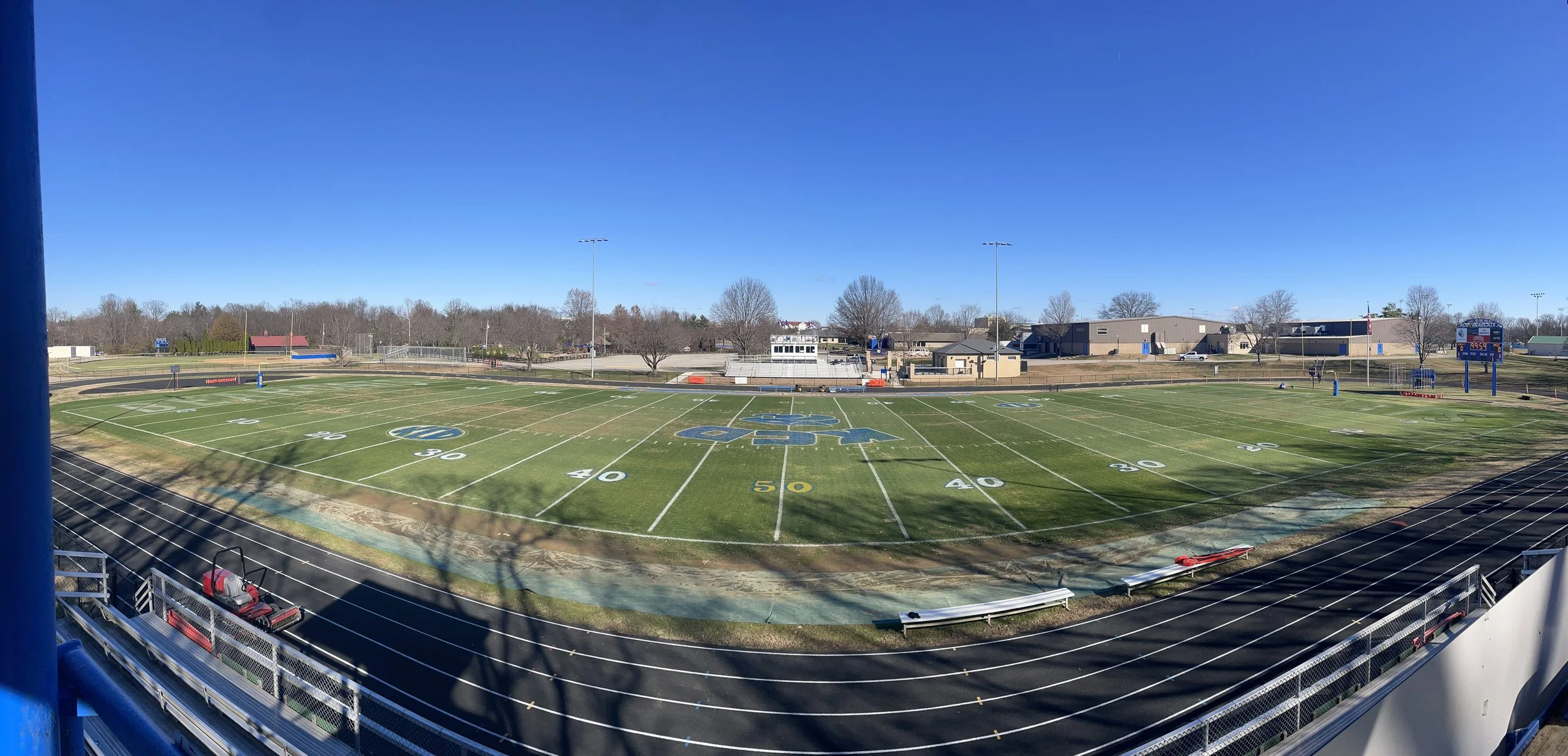
Painting lacrosse fields takes the most amount of time, painting football logos require the most patience.
How do you work around team practices or games?
Receiving practice and game schedules from coaches at the beginning of each season is extremely valuable, as it allows us to develop a comprehensive maintenance and field-use plan. Making sure that we are prepared each week for games and practices helps us deliver the best possible product for the teams.
What’s one thing players or coaches do that makes your job easier? Harder?
The coaches here are really good about communicating their expectations for the fields so that we are on the same page. The hardest part is making sure the coaches don’t practice drills in the same location multiple days in a row.
Is there anything you wish people understood better about field maintenance?
Many people underestimate the amount of time, effort, and expertise required to prepare and maintain a field at the highest possible standard.
What’s your favorite season for field work? Least favorite?
My favorite season is spring, I think the rye grass overseed looks the best and pops great during this time of year. My least favorite season is winter. I hate not being able to be outside this time of year.
If you could upgrade anything about the field or equipment, what would it be?
I would love to have an aerator/seeder/spreader all in one machine. I’d also really wish we could have some alternate/throwback logos for football season.
