Get to know KYSFMA member: Deanna Trusty
Deanna’s leadership and dedication have been instrumental in successfully launching KYSFMA. We wouldn’t be as far along without her guidance and her commitment to getting the association restarted in the Commonwealth. She has a clear plan for our success and is making sure we are prepared to grow alongside the state’s needs.
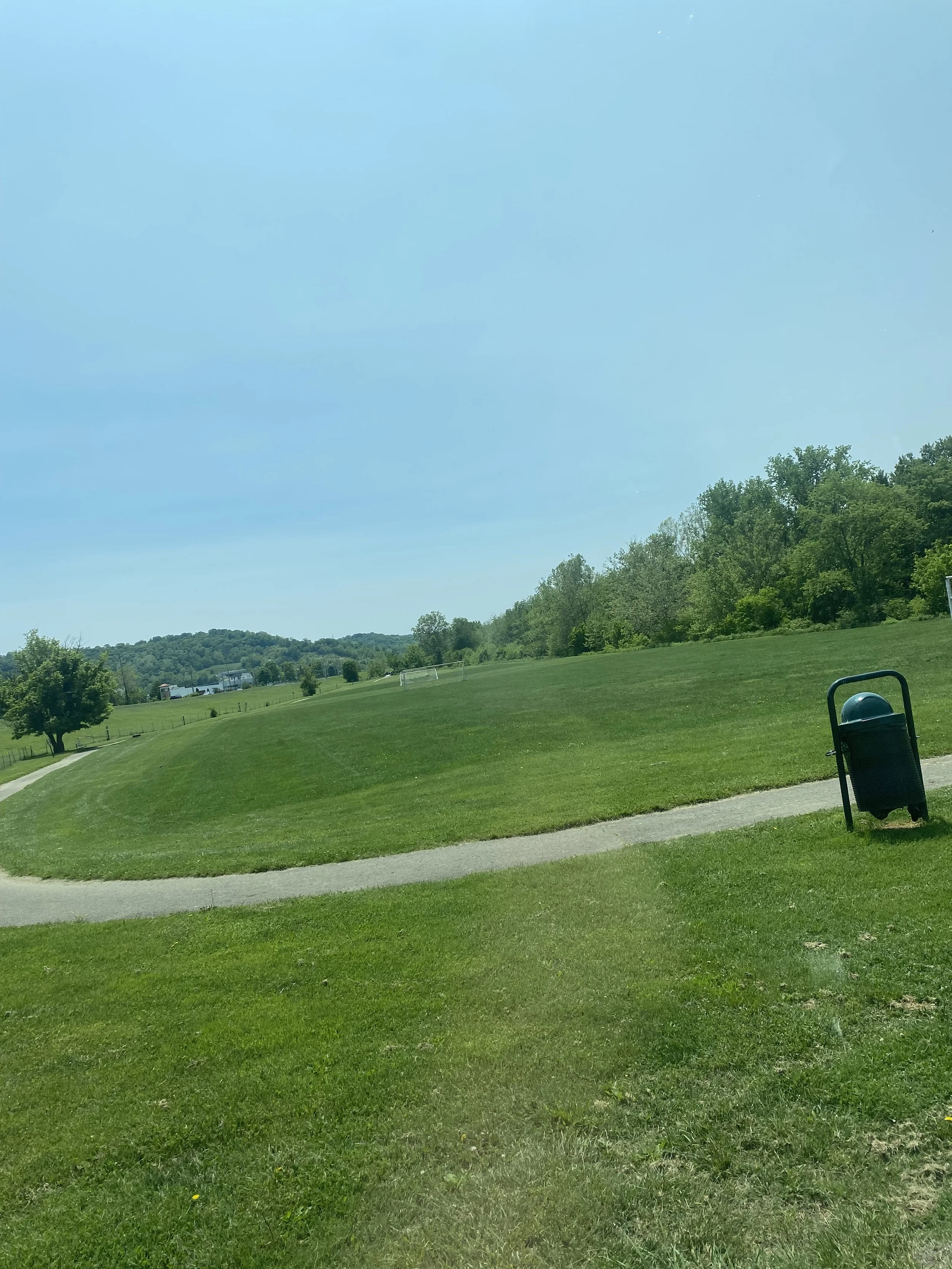
In addition to her work with KYSFMA, Deanna oversees the Independence Soccer Club and Edgewood Soccer Club, managing both in a park setting with exceptional care and professionalism.
Below, Deanna shares how she first got involved in sports turf and what motivates her in the industry.
How did you get into field maintenance?
My son was playing soccer for a local club, and the grass on the field wasn’t being cut to the right height. At the time, the club didn’t have anyone consistently handling mowing or fertilization, so the fields weren’t getting the care they needed. My husband started the business in 2005, originally just to keep the club’s fields maintained while I was pregnant with our daughter. In 2015, he took a different job, and I stepped in to take over operations full time. I’ve been running the business ever since, learning the industry hands-on and growing with every season.
What’s a typical day out here look like for you?
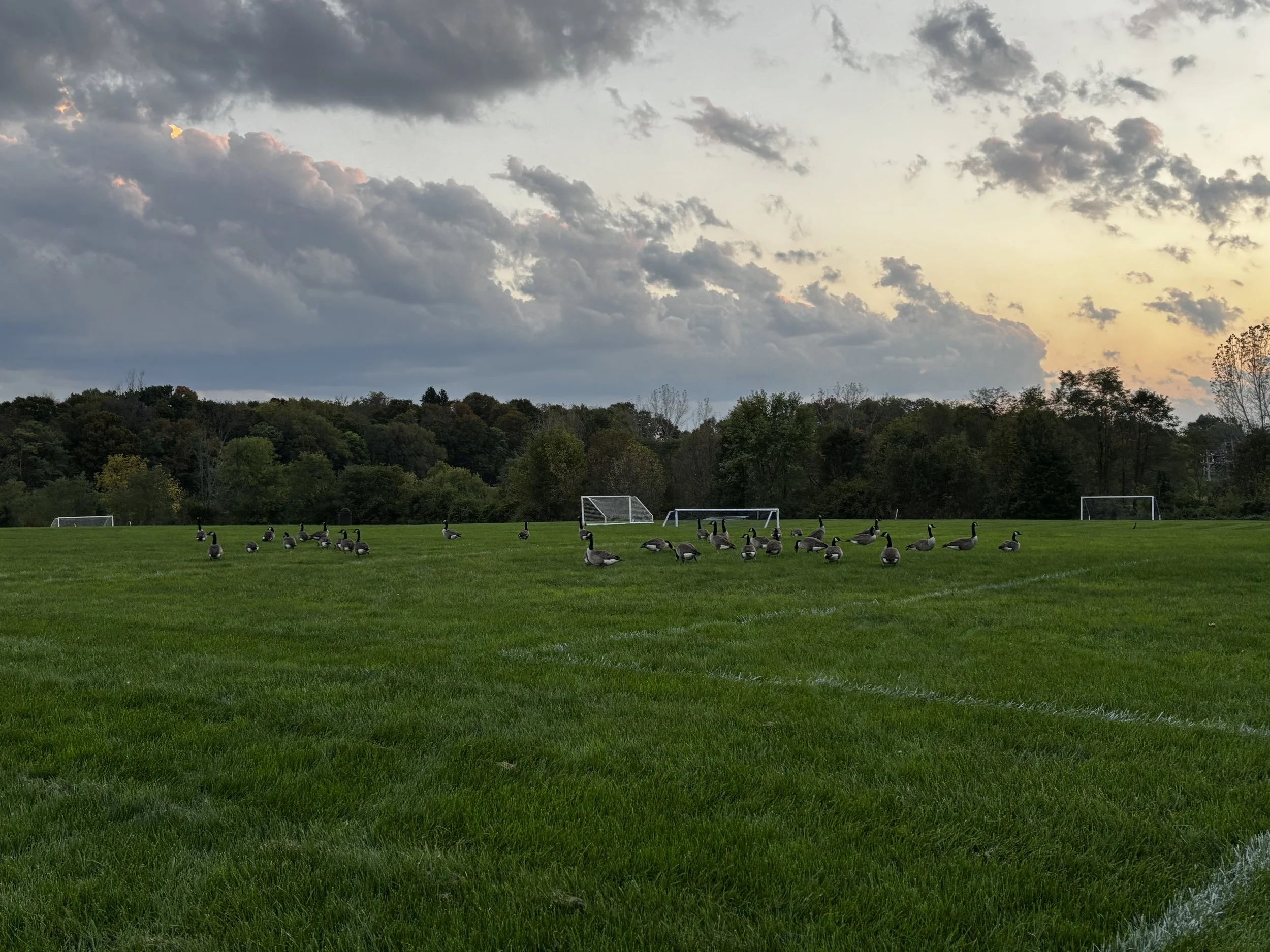
A typical day involves traveling between multiple fields, mowing several times a week, and implementing the fertilizer program that aligns with the club’s needs and budget. There’s also the less glamorous but very real part of the job: chasing geese off the fields to keep the turf clean and playable.
What part of the job do you enjoy the most?
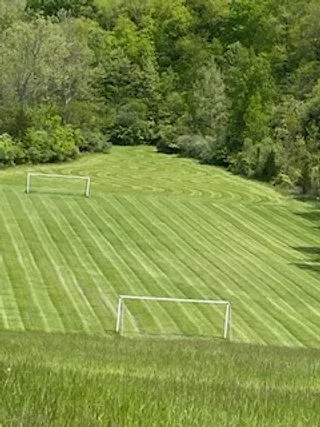
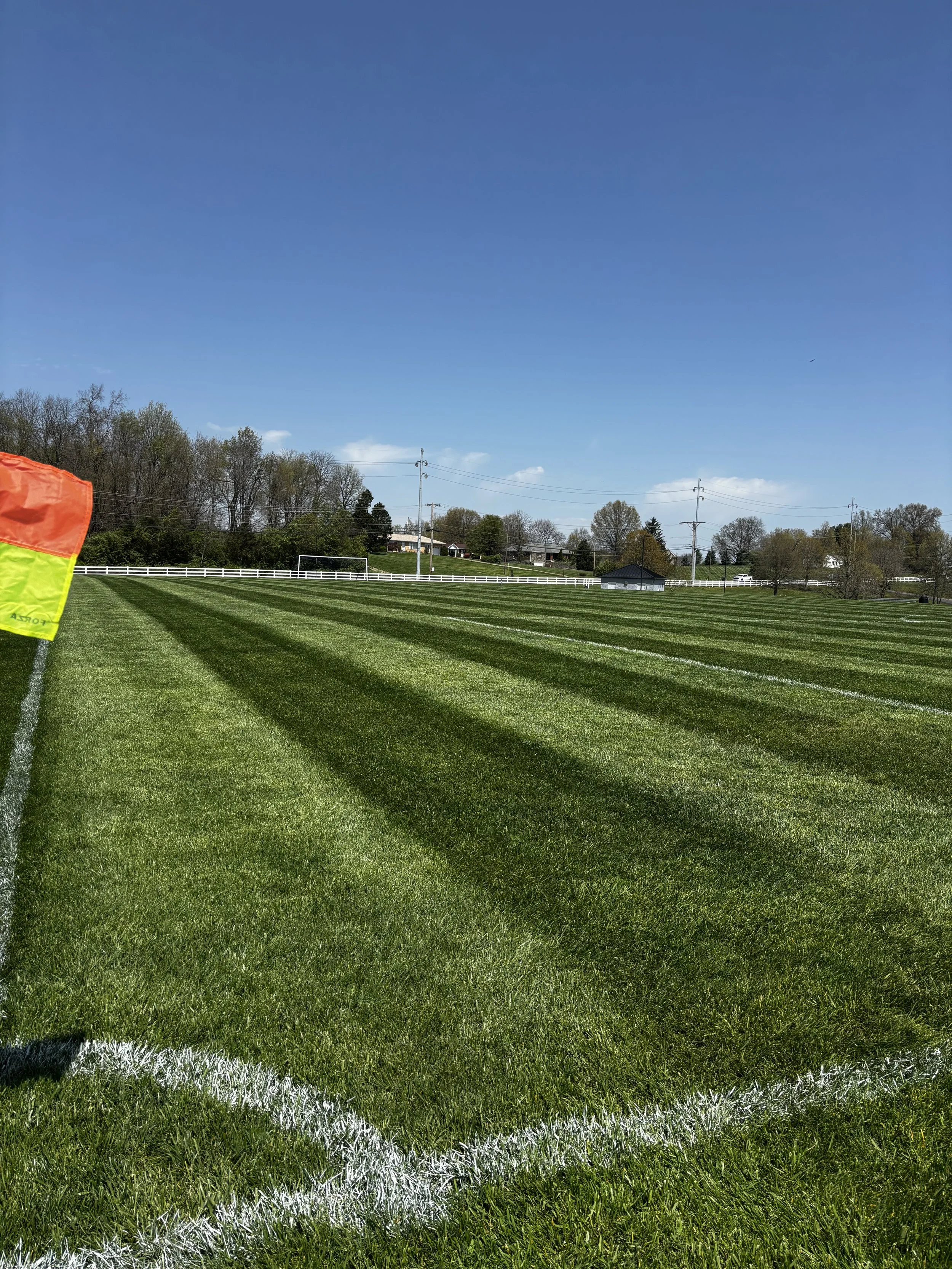
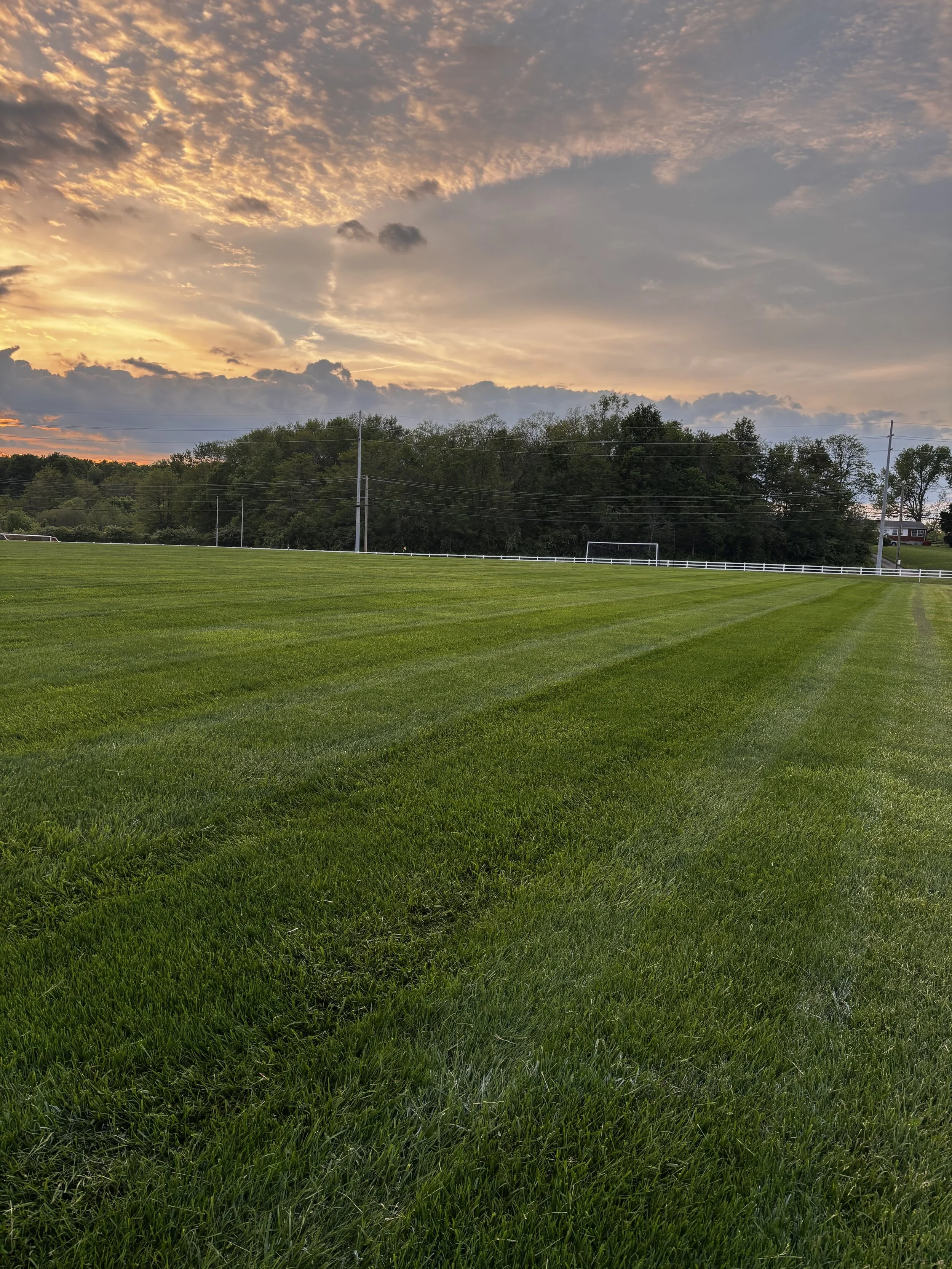
Mowing is very soothing for me, especially when I get to make fun designs and patterns on the field. I put on my ear protection, listen to music, and enjoy being outside it’s honestly my favorite part of the day. It’s also incredibly rewarding when kids and parents say thank you or comment on how good the field looks. Those moments make all the work worth it.
What’s the toughest part about keeping this field in good shape?
The toughest part I face is the amount of traffic on the fields. I maintain local club fields located in public parks, so they’re always in use not just by the club, but by the general public as well. With organized practices and games happening seven days a week, especially during the spring and fall seasons, there’s very little time for recovery. Managing that constant wear is one of the biggest challenges.
How do you decide what needs to get done on a busy day?
Game fields always come first. If games are on Saturday, I mow those fields 1–2 days beforehand to make sure they’re looking their best. If there’s a makeup game during the week, that field becomes the priority for the day. After game fields, I move on to practice fields. Any mowing or field repairs take precedence over fertilization playability and safety always come first.
What kind of equipment do you use the most?
I use a 60-inch Lazer Z X-Series mower the most.
Ever had any funny or unexpected things happen while working on the field?
I’ve had several funny and unexpected things happen over the years, but the most recent one definitely stands out. I usually don’t mow first thing in the morning, but on this particular day I did. Because of the morning dew, I brought a towel to sit on so the mower seat wouldn’t be wet. When I finished, I went back to the office, left the towel draped on the mower seat, and didn’t think anything more about it.
That afternoon, I headed back out to mow again. What I didn’t realize was that the wind had blown the towel down behind the seat and in a rookie mistake, I didn’t walk around the equipment before unloading. I had my ear protection on, headphones in, and music up while I started mowing like usual.
There was a man on the field throwing a ball for his dog, which is normal since the field is in a public park. I made a couple of passes and noticed him running toward me, which was a little unusual, but I kept mowing because I was on a tight schedule. On the next pass, he was waving his arms wildly, trying to get my attention. I could see his mouth moving and the urgency on his face, and it hit me what he was yelling: “Fire! Fire! You’re on fire!”
I stopped immediately, pulled off my ear protection, and sure enough my mower was on fire. I jumped off and kicked the burning towel out from under the mower, and the man ran about 20 feet away stomping out the other half of it. Turns out my “dry-the-seat” towel had gotten lodged near something hot and ignited.
Lesson learned: always check around your equipment… and maybe skip the towel next time. LOL. And to the guy playing ball with his dog if you somehow happen to see this Thank you!
How do you handle the field after bad weather?
I usually do the best I can with whatever the weather leaves behind. If there’s flooding, my first step is clearing debris and assessing any damage. One of the biggest challenges is helping people understand the importance of staying off a wet field. Keeping traffic off prevents ruts, compaction, and long-term damage, so sometimes the toughest part is protecting the field until it’s safe and dry enough to work on again.
What’s something most people don’t realize goes into keeping a field looking good?
Most people don’t realize the amount of time, money, patience, and even blood, sweat, and tears that go into maintaining any field. There’s a lot of planning involved trying to predict the weather, timing applications at the most optimal moments, staying within the club’s budget, and keeping harmony with everyone using the fields. It’s a constant balancing act that requires strategy, communication, and a lot of behind-the-scenes work that people never see.
Which tasks take the longest or require the most patience?
For me personally, equipment repairs take the most patience. I’m not naturally skilled in small engine work, so troubleshooting and fixing equipment can be challenging and time-consuming. A close second would be checking irrigation heads by myself. It’s a lot of walking back and forth to turn each zone on, trying to locate the heads, digging them out, and making sure everything is functioning correctly. Both tasks require a good amount of patience and persistence.
How do you work around team practices or games?
I’m very fortunate to have excellent field coordinators in the clubs I serve. They keep me updated on reschedules or any changes that happen outside of the printed schedule, which makes a huge difference. If a game gets added or they need a field painted, they let me know right away, and I can usually accommodate it unless my schedule is completely packed. Open communication with someone who knows the schedule well makes managing the fields so much more efficient and much less stressful.
What’s one thing players or coaches do that makes your job easier? Harder?
One thing coaches do that really makes my job easier is moving the goals and bleachers before I mow. It saves me a lot of time and keeps me from having to constantly get off and back on the mower to move equipment around. That small effort on their part makes a big difference in how efficiently I can get the fields done. What makes it harder is when there are people that randomly go on the field and do donuts and tear up the field. Since they are open to the public there isn’t much that can be done.
Is there anything you wish people understood better about field maintenance?
Yes. I wish more people understood that just because a field looks good on any given day doesn’t mean we can skip parts of the program. You can’t wait until things get bad to fix them. There is a lot of preventative work that goes into maintaining healthy turf reducing compaction, keeping the field properly fed throughout the year, and staying ahead of stress instead of reacting to it. What we do this season really shows up in the next one, and being consistent with maintenance is the key to long-term field health.
What’s your favorite season for field work? Least favorite?
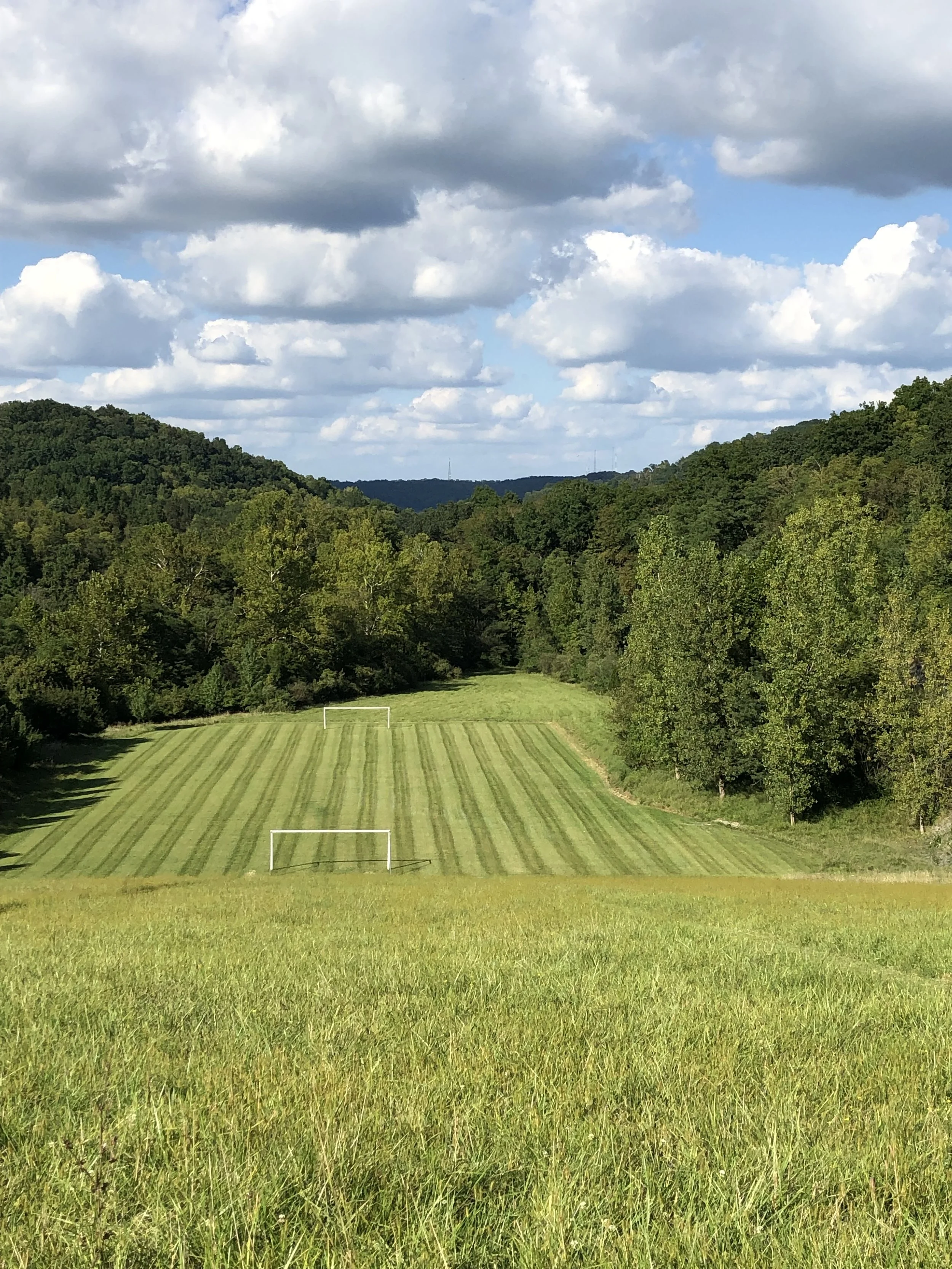
My favorite season is the fall. There’s one practice field surrounded by trees, and when the leaves start changing colors it’s beautiful. The cooler weather and the smell of freshly cut grass make it a great time to be outside. My second favorite is spring, when everything comes back to life although the growth can be so fast that it’s sometimes hard to keep up.
If you could upgrade anything about the field or equipment, what would it be?
There are a couple of fields I would love to have irrigation installed on. One field in particular has no system at all, so I have to water it using a hydrant, running long hoses, and moving sprinklers around by hand. We even built a manifold to adapt the hydrant connection to smaller hoses for the sprinklers. It works, but it’s definitely a process. Having an irrigation system where I could simply flip a switch and set a timer would make maintaining that field so much easier and much more efficient.